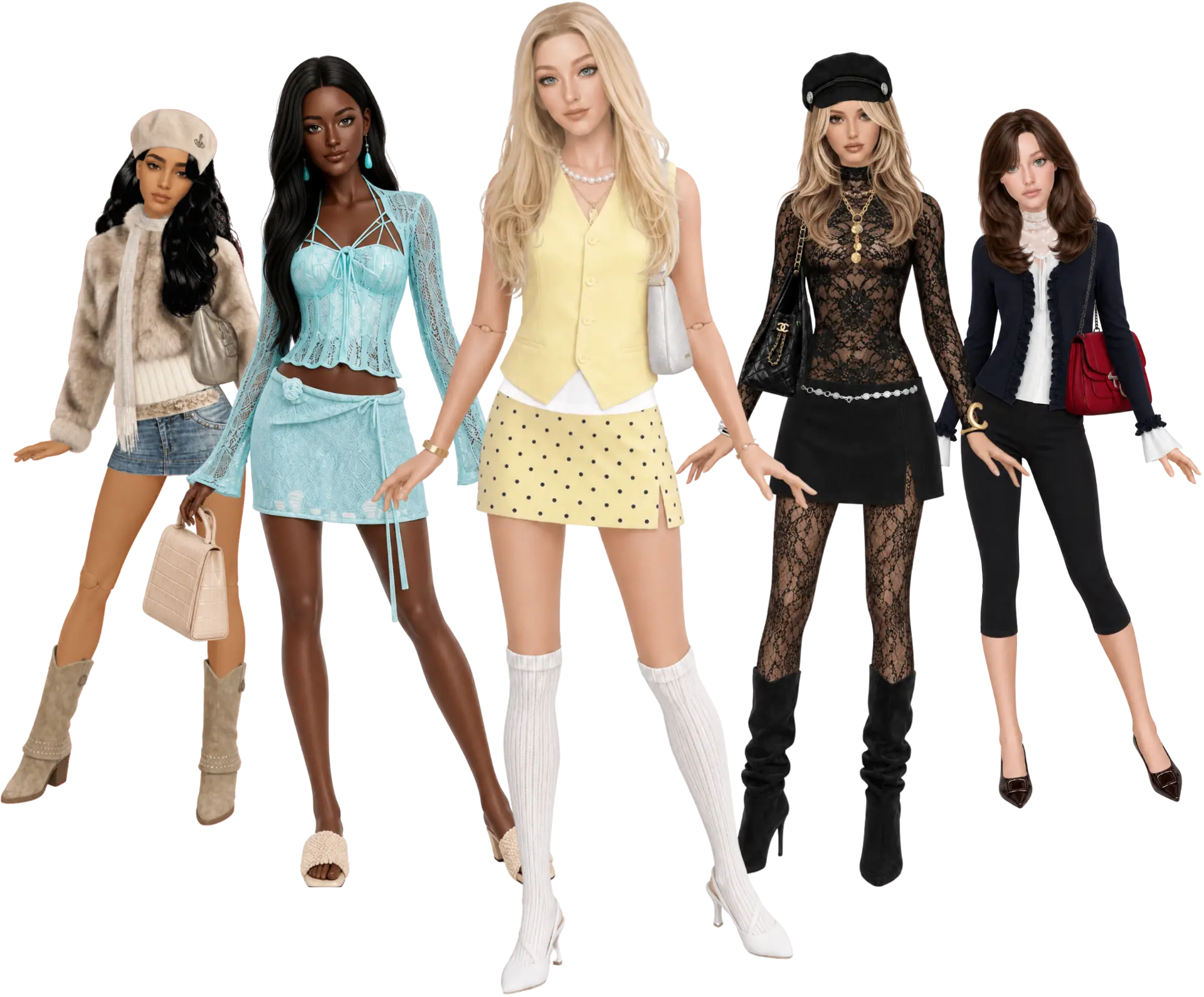
There's a scene near the start of Clueless that has quietly lived rent-free in a generation of heads. Cher Horowitz wakes up, walks to a computer, and a program riffles through her wardrobe like a slot machine, assembling the outfit on a little on-screen figure of herself.
To this day, it is one of the most iconic scenes of pop culture. Forget the Beverly Hills mansion, the Alaïa and Paul Rudd. We wanted the closet computer.
The movie came out in '95 and back then, the technology was pure fantasy, dreamed up by the movie's talented writer/director, Amy Heckerling. But with technology moving faster than ever before, we started feeling like it is time to make it a reality.
So we did. This is why, and what we learned about why the fantasy was so hard to actually make.
The gap between the fantasy and every app that promised it
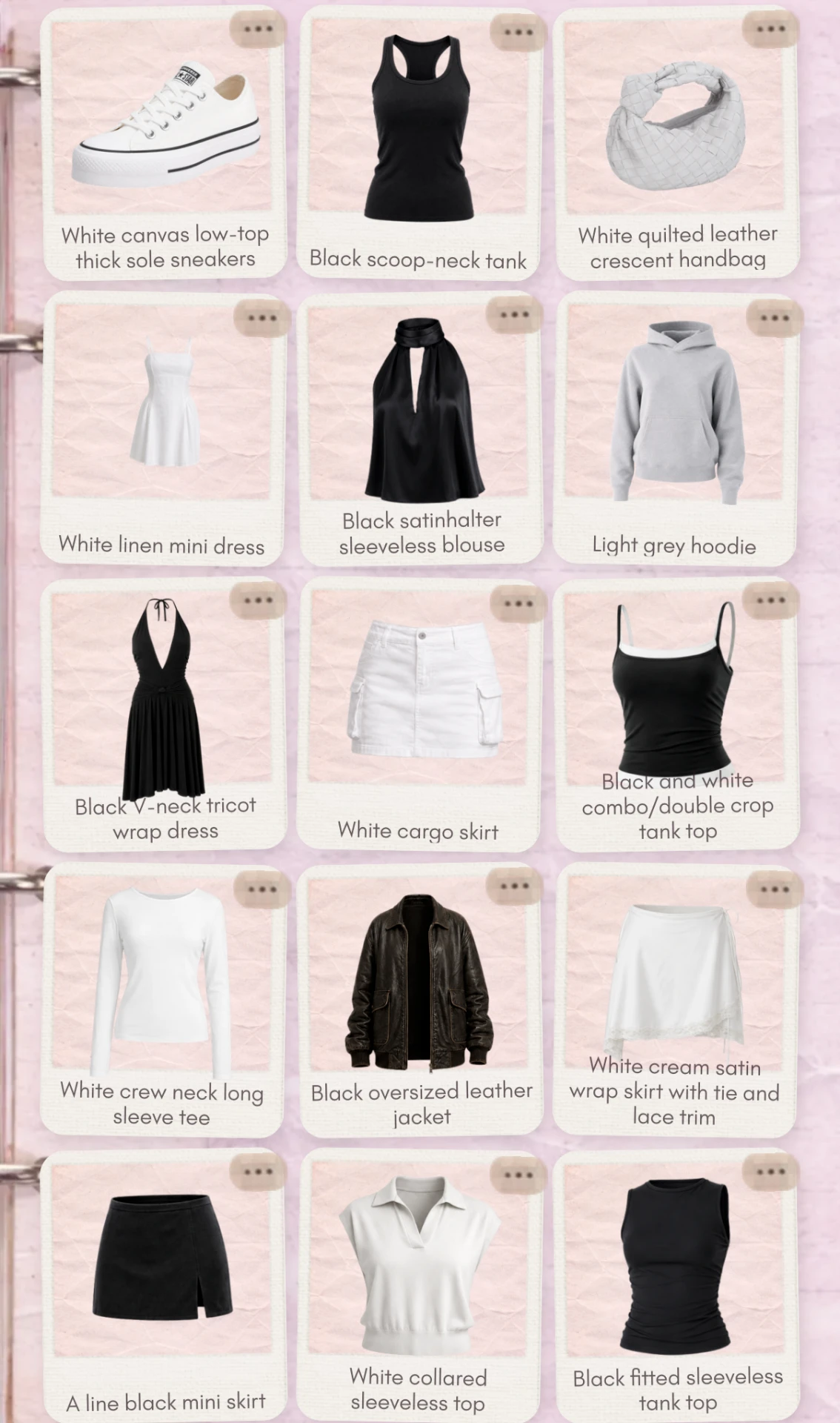
If you search "Clueless closet app" today, you won't come back empty handed. The major wardrobe apps have all been quick to compare themselves to the well-referenced cult classic scene. So the closet computer isn't an novel idea today. But here's the thing we kept bumping into as we tried these apps ourselves: they'd nailed the inventory half of Cher's machine - photograph your clothes and the app let's you browse them - but we felt that they'd mostly missed the half that made the scene magic.
What actually made you want the Clueless computer? We dare say it wasn't the database - it was watching the outfit assemble on Cher, on the screen. You could see the whole look, on her, before she wore it.
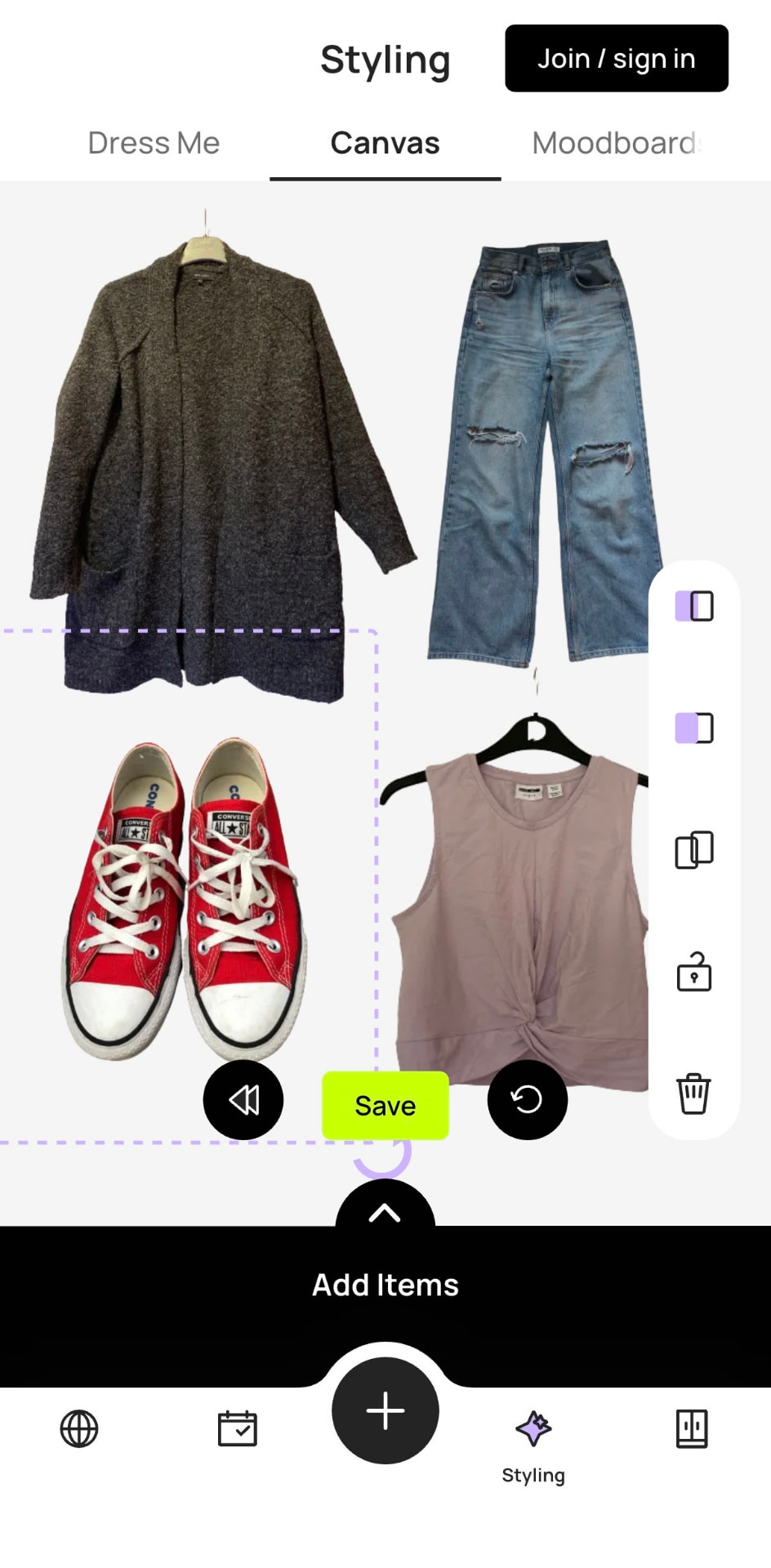
Every other app preview your outfits as flat-lay collages - a top and a skirt floating on a white background, arranged like evidence photos. And it can be useful, but it's not the fantasy. A pile of clothes in a vacuum tells you almost nothing about whether the proportions align, whether the silhouette works or if you'd feel comfortable wearing it out the door. You still have to do the hard part in your head.
The job was never "build a smarter recommendation engine." Most people are very good at putting outfits together. No - the job is "let people visualize the outfit in full, as it would look on a body, before they commit to it. That technology-on-the-brink-of-magic-feeling." For us, that was the whole point of the scene, and it is the one thing they are all missing.
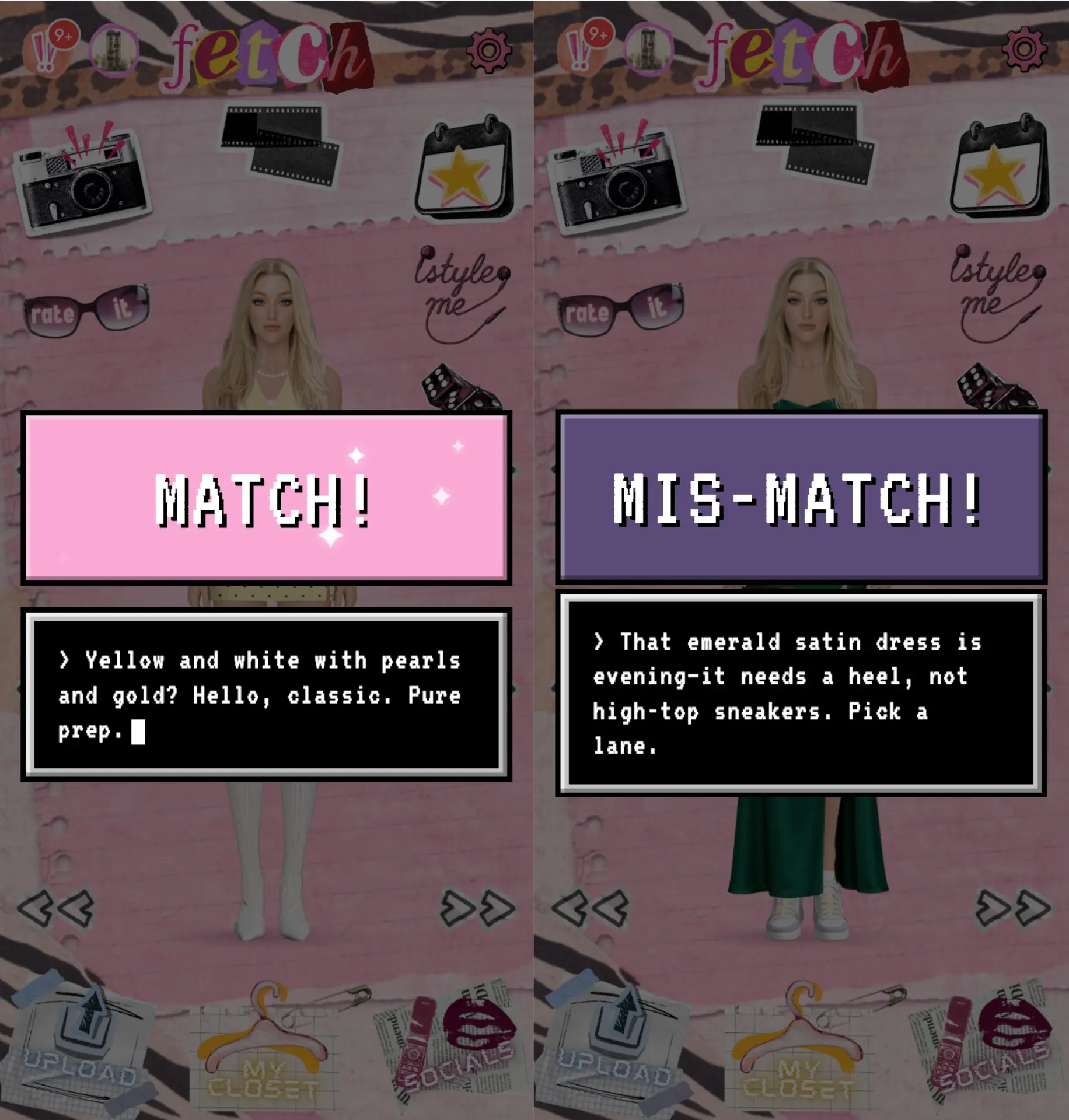
How Fetch does it different
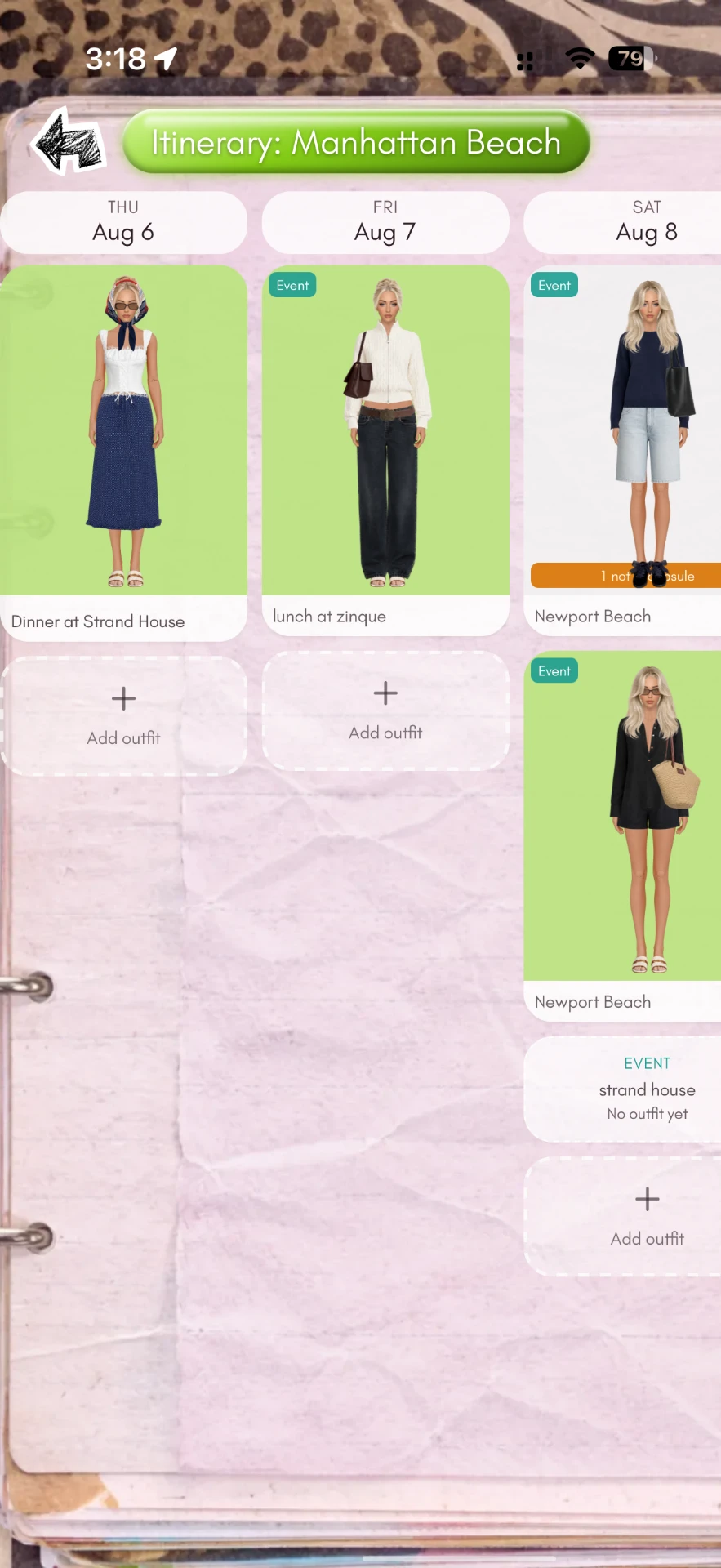
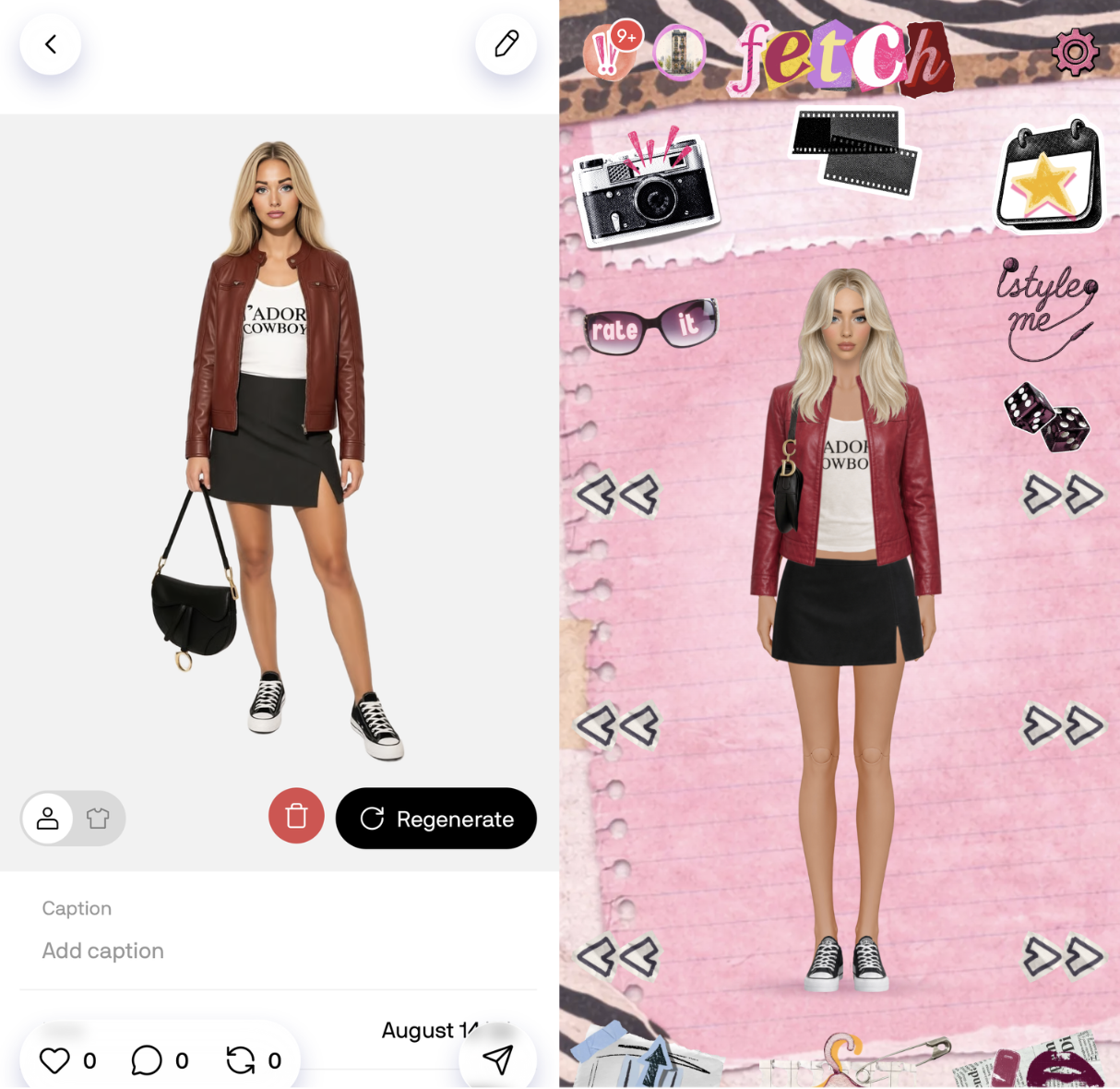
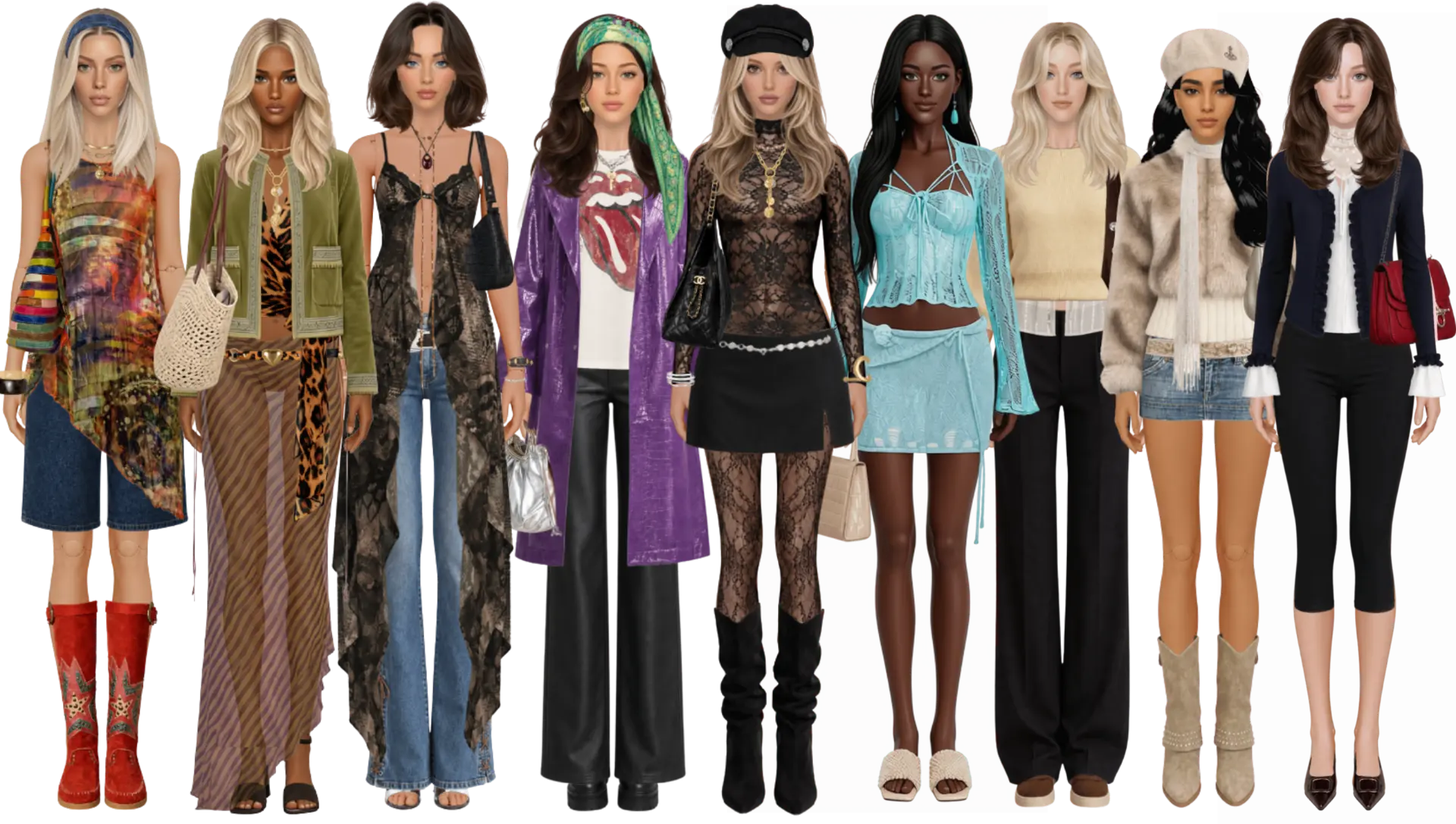
What we have built isn't a better database or a smarter AI-outfit-suggester than our competitors. Frankly it's probably worse, if you just go based on team size and the number of Forbes' mentions. But we did try to get close to that feeling. We have a paper-doll version of you, who tries on your clothes for you. Tops can tuck into bottoms, belts slide up and down the waist, bags can be flipped to the other arm, and you can put your hair up. None of that is glamorous, but all of it is the difference between a doll and a collage.
If you've ever wanted the closet computer - and if you've read this far, we think you might have - you can try Fetch free.
Fetch is free, iPhone only, and out now on the App Store.